-
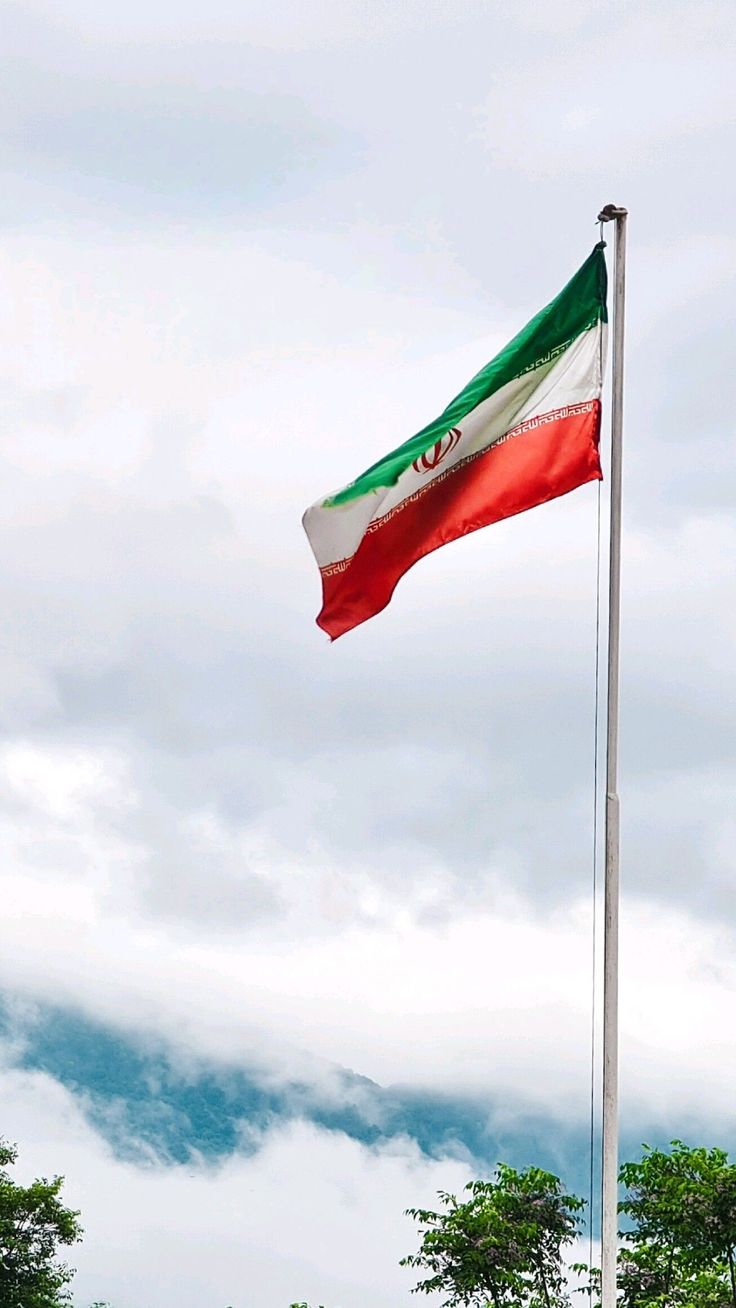
The Illusion of Ceasefire: A Shift in the Balance of Power in West Asia
Author: Peiman Salehi*
*Originally published on: PressenzaThe recent ceasefire declared between Iran and the U.S.-Israel axis might appear to be a temporary pause in escalating tensions. However, it reflects a deeper geopolitical reality: the Islamic Republic of Iran has not only withstood sustained pressure but, in many respects, has seized the strategic initiative.
From the outset of this confrontation, two clear objectives were evident in the strategies of the United States and Israel:
1. Israel aimed to restore its deterrence by targeting Iranian military commanders and scientific elites through precision strikes and assassinations.
2. The U.S. sought to dismantle Iran’s nuclear infrastructure and fragment the political-military cohesion of the Islamic Republic.Yet the outcome was contrary to their expectations.
Despite a direct attack on Iran’s Fordow nuclear facility—buried deep underground—the damage was minimal. Iran’s nuclear capabilities remained intact, and command structures resilient. In response, Iran launched missile and drone strikes on critical Israeli targets in Haifa, Tel Aviv, and sensitive military installations, effectively challenging the longstanding perception of Israel’s “absolute security.”
Iran demonstrated that:
- It possesses the capability to precisely strike vital infrastructure inside Israel;
- Its internal cohesion, both societal and governmental, remains unshaken under direct threat;
- Without resorting to its regional allies or more escalatory measures like closing the Strait of Hormuz, it can still project credible deterrence.
Perhaps more telling than battlefield dynamics is the psychological and political shift among the key players. For the first time in modern history, a regional state directly targeted U.S. military interests in West Asia—most notably the Al-Udeid Air Base in Qatar. Yet Washington’s reaction was not a retaliatory strike, but a rush toward de-escalation and calls for a ceasefire.
This shift in tone—from threats to mediation—signaled not strategic flexibility, but a recognition of limited options. Only days earlier, U.S. officials were publicly advocating regime change in Iran. After Iran’s direct retaliation, that rhetoric softened dramatically. Former President Donald Trump, for instance, pivoted from inflammatory remarks to calling for peace, stating: “May God protect Iran and Israel.”
This rhetorical reversal suggested not strength, but vulnerability—evidence that when confronted with a serious counterstrike, the U.S. quickly seeks to contain rather than escalate the crisis.
The events of June 24—the very day the ceasefire was to take effect—highlighted the chronic trust deficit between the parties. While a temporary calm was anticipated, Israel again struck Iranian territory. This act reflected a recurring pattern in Tel Aviv’s military conduct: ceasefires are often not a pathway to peace, but tactical pauses used to regroup and prepare for renewed aggression.
This behavior is not unprecedented:
- In the summer of 2014, shortly after a ceasefire agreement in Gaza, Israeli warplanes resumed bombing Palestinian targets within days.
- In May 2021, after 11 days of intense fighting and a declared ceasefire, Israel continued sporadic strikes on Palestinian territories.
- In Lebanon, following the 2006 ceasefire with Hezbollah, Israeli violations of airspace, reconnaissance missions, and even limited strikes became routine.
From Tehran’s perspective, these precedents reinforce the belief that for some Western powers and their allies, “diplomacy” is less a tool for lasting peace and more a tactical cover—used to buy time, reorganize, and retain battlefield initiative.
What has transpired is not merely a series of military exchanges, but a transformation in the security architecture of the region. Iran has weathered aggression and, more importantly, redefined the strategic outlook of West Asia.
As deterrence replaces submission, and retaliation replaces silence, the central question no longer points to Tehran’s intentions—but to Washington’s readiness:
Is the United States prepared to acknowledge the emerging order in West Asia, or will it gamble on a new phase of confrontation—this time, at an even higher cost?
-
Clash of Two World Orders: Fordow Is the Excuse, Sovereignty the Target
Author: Peiman Salehi
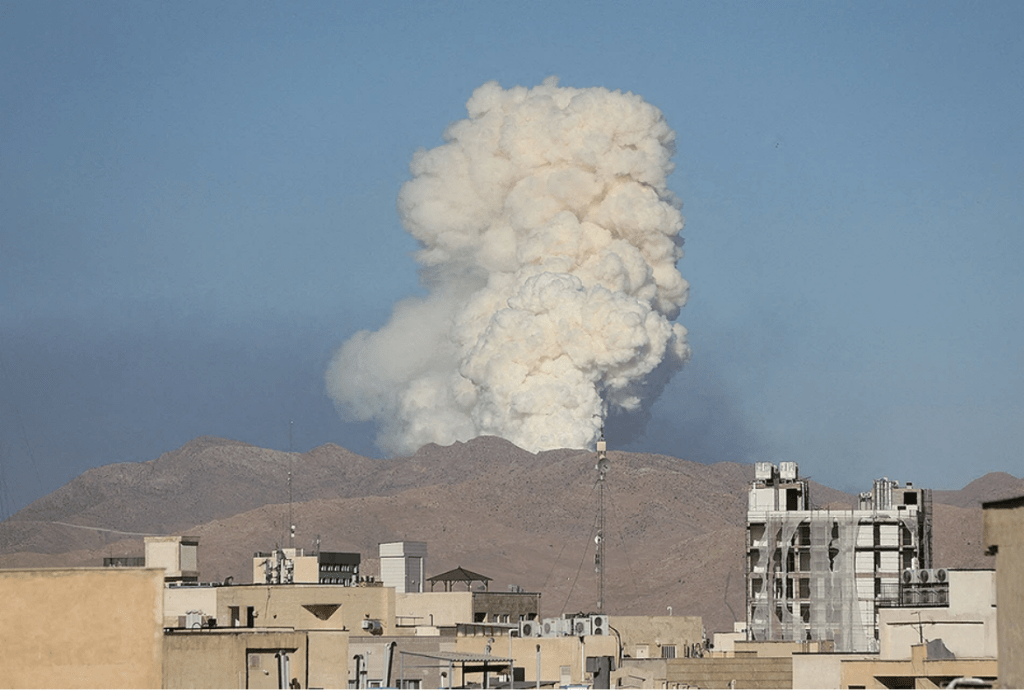
*Originally published on: New Eastern OutlookHours after U.S. President Donald Trump ordered a direct military strike on Iran’s Fordow nuclear facility, the world stands on the edge of a dangerous precipice. This unprecedented attack, occurring in the early hours of last night, marks a significant escalation in the confrontation between Washington and Tehran, and has once again ignited fears of a broader regional—if not global—conflict.
According to Iranian state media, the American attack targeted the entrance of the Fordow nuclear enrichment site, located tens of meters underground. Despite the dramatic nature of the strike, the damage appears to be minimal. Iranian officials have called the assault a “symbolic operation” with limited strategic impact. The Atomic Energy Organization of Iran is expected to issue a full technical statement, but preliminary reports indicate that key centrifuges had already been removed from the Fordow and Natanz sites prior to the attack. The Iranian government further emphasized that the deep-underground design of these facilities, the result of years of indigenous scientific expertise, had neutralized any attempt to deliver a crippling blow.
What this attack truly represents is a failure of diplomacy, a betrayal of international norms, and a dangerous gamble rooted in outdated imperial thinking
This act of aggression is not only a military miscalculation but a profound political one. The U.S. administration, under Trump’s leadership, appears to have lost its strategic bearings. By resorting to force, Washington has exposed its frustration and strategic deadlock. What this attack truly represents is a failure of diplomacy, a betrayal of international norms, and a dangerous gamble rooted in outdated imperial thinking. Trump, increasingly beholden to Israeli Prime Minister Benjamin Netanyahu, has allowed the Zionist regime’s narrow interests to dictate a course that risks global war. The world is now witnessing how the ambitions of a declining empire can drag the international system into chaos.
The media landscape surrounding the strike further reveals a coordinated attempt to shape the narrative. Western outlets, including CNN and Reuters, have underreported or dismissed Iran’s defensive capabilities and the limited damage incurred. In contrast, resistance-aligned media such as Al Mayadeen, Press TV, and Tasnim News have provided footage, satellite analysis, and expert interviews, revealing the superficial nature of the attack. Israeli media, which initially broadcast images from Tel Aviv and Haifa, has since restricted coverage, a move analysts interpret as an attempt to hide the psychological and infrastructural damage inflicted by previous Iranian missile strikes.
More crucially, this moment exposes the deeper ideological battle at play. Washington and Tel Aviv are not merely targeting Iran’s nuclear infrastructure—they are targeting the very notion of Iranian sovereignty, independence, and civilizational identity. For decades, the U.S. has tolerated or ignored nuclear weapons held by regimes like Israel, India, and others. Yet Iran, which has consistently emphasized the peaceful nature of its nuclear program and whose Supreme Leader has issued religious rulings against weapons of mass destruction, remains the subject of relentless pressure and threats.
This double standard reveals the real motive: not nonproliferation, but domination. Iran stands as a civilizational alternative to the liberal hegemony of the West, especially in the post-Cold War era. Its resistance model has inspired popular movements across West Asia and beyond. And today, despite the brutality of sanctions, sabotage, and assassination campaigns, Iran remains defiant—stronger, more resilient, and more unified.
Indeed, one of the unintended consequences of the American-Israeli aggression is the strengthening of Iran’s internal unity. Where once some questioned Iran’s regional alliances, now many recognize their strategic depth. It is clear why Iran built partnerships with Hezbollah, the Popular Mobilization Forces in Iraq, and other resistance groups: to keep the battle outside its borders and to prepare for precisely this moment. Iran has yet to request support from these allies, has not activated its naval forces in the Strait of Hormuz, and has not called on China, Russia, or Pakistan for direct intervention. Yet all these options remain on the table. This calculated restraint underscores Iran’s confidence and its desire to prove that it can confront Israel independently.
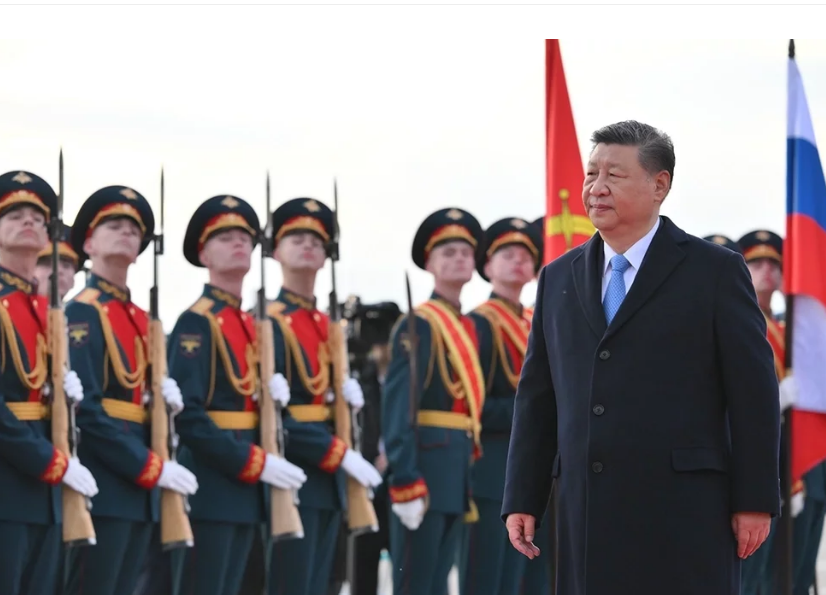
However, should the U.S. persist in its aggression, it is likely that Iran’s allies will respond. A wider conflict could pull in China and Russia, both of whom have signaled support for Iran’s right to defend itself. Pakistan has openly declared that it will not stand idly by if Iran is attacked. What we are witnessing may very well be the beginning of a war that accelerates the decline of American unipolarity and ushers in a truly multipolar world.
This is not merely a battle between two states; it is a confrontation between two visions of world order. One rooted in hegemony and coercion. The other, in resistance, dignity, and sovereignty. And tonight, from the heart of Tehran, the voice of that resistance is being heard loud and clear.
-
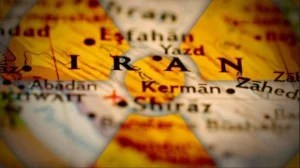
Iran Is Not Alone
This War Is a Historic Moment for the Global South to End Imperialism
By Peiman Salehi
*Originally published on: Global Research
Several days have passed since the direct military confrontation between the Islamic Republic of Iran and the Israeli regime began, and it is already clear that this is not just another regional skirmish. What we are witnessing is not merely a missile exchange—it is a geopolitical inflection point that may well mark the beginning of the end of the US-led unipolar order.
Israel, in an astonishing strategic miscalculation, assumed it could treat Iran the way it has treated Syria, Iraq, or Gaza—using precision airstrikes, psychological warfare, and information control to force retreat. But Iran’s response was anything but predictable. The missiles that struck deep into Haifa and Tel Aviv did more than inflict physical damage—they shattered the illusion of “absolute deterrence” that the West has cultivated for decades.
This war is not just about Iran; it is a defining moment for the Global South.
But the deeper significance of this moment lies in the test it poses to countries like China, Russia, Pakistan, South Africa, Venezuela, and others in the Global South. For years, these states have talked about creating a multipolar world, breaking free from American hegemony, and building a new international order. But if they remain passive or indifferent in this moment of global consequence, all of that rhetoric may collapse into irrelevance.
The Global South today is not the same as it was in the 20th century. These are not merely weak, aid-dependent nations. These are rising powers with significant economic and even military capabilities. China is the world’s second-largest economy. Russia is a major nuclear and military power. Iran has unmatched regional missile strength. Pakistan, Brazil, Indonesia, South Africa, and Türkiye—all of them are no longer on the sidelines of history. They are part of the emerging reality.
The fear of a third world war is no longer an effective deterrent because the balance of power has shifted. If this war escalates, and Iran decides to close the Strait of Hormuz, the global economy will suffocate. This is not a threat—it is a fact. Western capitals know this. Right now, dozens of think-tanks in Washington, Brussels, and Tel Aviv are analyzing the potential collapse of global supply chains, oil markets, and financial systems if Hormuz is shut down.
But this is not about fear—this is about choice.
Does the Global South want to watch history from the sidelines, or shape it?
Pakistan has already made its position clear: it will support Iran if the conflict expands. Now, the world is watching China and Russia. If they fail to step up—politically, economically, and yes, if necessary, militarily—then the promise of a “new global order” will ring hollow. This is the test. Not in statements—but in action.
Iran is standing alone, yes. But it carries on its shoulders the weight of generations who have suffered under imperialism, sanctions, and subjugation. If Iran wins this war, it is not just a victory for a nation—it is a victory for all of us.
Perhaps it will mark the fall of the dollar. Perhaps the end of Western media dominance. Perhaps the birth of a new economic and political paradigm.
Whatever comes, this moment does not belong to Iran alone.
It belongs to us—the Global South.
 Peiman Salehi – Political Analyst & Writer