-
Israel’s strike on Doha: A turning point for US alliances and Gulf sovereignty
Israel’s strike on Doha: A turning point for US alliances and Gulf sovereignty
By Peiman Salehi | September 10, 2025

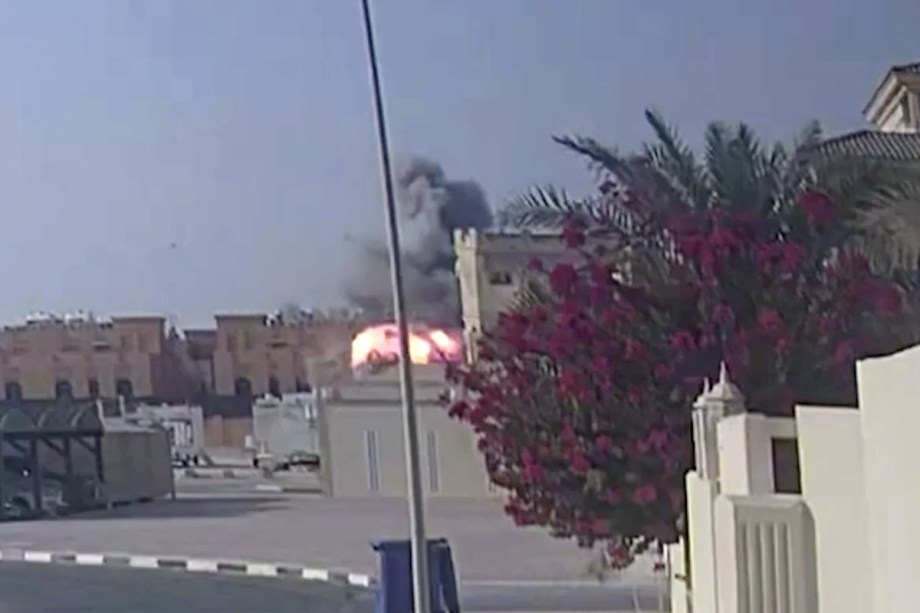
The Israeli airstrike on Hamas leaders in Doha on 9 September 2025 was far more than a military operation. It represented a direct assault on the sovereignty of a US ally, Qatar, and a symbolic rupture in the fragile architecture of Middle Eastern diplomacy. For decades, Doha maintained its paradoxical identity: hosting Hamas offices and acting as a platform for negotiations between Iran, the Taliban, and Washington, while simultaneously hosting the al-Udeid airbase, the largest US military installation in the region. Israel’s decision to strike within this “protected” space shattered the perception that Gulf monarchies aligned with Washington could also act as neutral mediators.
The implications go well beyond Qatar. By targeting Doha, Israel undermined the broader notion of diplomatic safe havens in the Arab world. This sends a chilling message to smaller states like Oman and Turkey, which have relied on mediation to assert independence and regional influence. Neutrality, the strike made clear, is an illusion in today’s Middle Eastern conflicts.
For U.S. diplomacy, the strike creates a stark contradiction. If Washington authorized or condoned it, then America openly sacrificed the sovereignty of one of its closest allies for Israel’s security agenda. If the Biden administration was kept in the dark, the damage is even greater: the U.S. no longer has the leverage to restrain its ally. Either way, American credibility in the Gulf has been deeply shaken.
The timing sharpens the irony. Just months earlier, Qatar’s royal family gifted former President Trump $400 million, highlighting Doha’s strategic closeness to Washington. Now, Qatar’s sovereignty has been violated by Israel, exposing the fragility of America’s alliance network in the Gulf. For Arab states, the symbolism is clear: if Qatar—with its wealth, strategic position, and ties to Washington—cannot secure protection, who can?
Regionally, the strike may trigger new alignments. Instead of isolating Hamas, the attack could accelerate coordination between Iran, Qatar, and Turkey, all of whom share an interest in defending sovereignty against Israeli encroachment. Far from weakening resistance, the strike risks broadening its base and deepening multipolar dynamics in the region.
Globally, the episode underscores the erosion of the so-called liberal order. The U.S. has long presented itself as the guarantor of rules and sovereignty. Yet when an ally as close as Qatar is struck by another U.S. ally, those rules collapse into contradiction. The liberal order is revealed to be selective, instrumental, and incapable of protecting even its own network. For the Global South, the lesson is clear: dependence on U.S. guarantees is increasingly unreliable.
Ultimately, Israel’s strike on Doha marks the end of an era where Gulf monarchies could balance U.S. protection with regional mediation. The “safe havens” of diplomacy are gone, replaced by a harsher multipolar reality in which sovereignty is fragile, alliances conditional, and conflict can reach even the most protected capitals. This rupture will not fade quietly; it will reshape Gulf calculations, accelerate the search for alternatives, and deepen skepticism toward Western-led security frameworks.
— Peiman Salehi
Note: This article was originally published by Middle East Monitor (MEMO) .
-
Beyond multipolarity
Beyond Multipolarity
By Peiman Salehi | Published: September 16, 2025

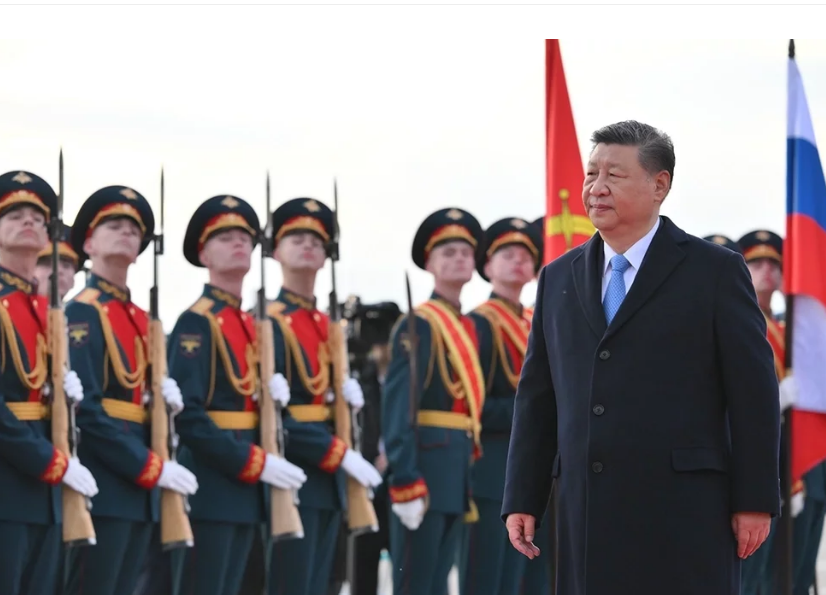
The Shanghai Cooperation Organization (SCO) summit in Beijing, held alongside a military parade and ambitious economic discussions, attracted wide international attention. Many commentators framed the event as proof of the US’s decline and China’s rise. Across the Middle East and Global South, this binary view was often repeated: Washington losing primacy, Beijing preparing to take its place. Yet for Africa, such framing is unsatisfactory. It risks reducing the continent to a passive observer rather than a political actor. The true significance of the SCO summit lies in its lessons about multipolarity, the cracks in Western dominance, and the opportunities—or risks—these cracks create for African agency.
Africa’s relationship with global financial institutions has long been marked by asymmetry. Structural adjustment programs from the IMF and World Bank dismantled social protections, privatized public goods, and left economies vulnerable to external shocks. Dollar dependence further tied African markets to US monetary policy, exposing them to crises beyond their control. Within this context, SCO’s discussions of new mechanisms—local currencies, a potential development bank, and coordination with BRICS initiatives—signal possibilities for alternatives to Western-dominated finance.
Still, history urges caution. External powers have often offered partnership while deepening dependence. China’s Belt and Road Initiative brought infrastructure but raised concerns about debt sustainability. Russia’s security engagements in Africa raised questions about sovereignty and accountability. Multipolarity, if reduced to replacing one patron with another, risks repeating past mistakes. The key question is whether African states can act as active negotiators rather than passive recipients.
South Africa’s position in BRICS highlights this dilemma. Pretoria could serve as a bridge—bringing African concerns into BRICS and shaping SCO-related initiatives. It could advocate for equitable infrastructure financing and more stable financial mechanisms. Yet, critics note that South Africa often prioritizes elite interests over broader African needs. Whether it advances continental agency or its own influence remains an open question.
Amitav Acharya has described the future global order as an “archipelago of powers.” For Africa, this metaphor suggests that the continent is not condemned to choose between Washington and Beijing. Multipolarity offers flexibility—but also fragmentation. Without coordination, African states risk being divided and courted piecemeal. With unity, they can demand better terms; without it, they will negotiate from weakness.
Recent experiences underscore these stakes. Zambia’s debt default exposed both the promise and limits of multipolar finance: multiple creditors offered leverage, but lack of coordination prolonged the crisis. Kenya’s reliance on Chinese infrastructure loans brought highways but also intensified debates about dependency. These cases illustrate that multipolarity is neither inherently liberating nor oppressive—it depends on African choices.
SCO’s emphasis on local currencies resonates strongly in Africa, where the dominance of the dollar is often felt as coercion. Trading or borrowing outside the dollar system could mean greater sovereignty. But this also raises concerns: will new institutions serve human development, or replicate extraction under new management? Multipolarity opens the door to justice, but does not guarantee it. The burden lies with African agency.
Civil society must play a role. Too often, debates about multipolarity are limited to elites, while ordinary people bear the costs. Activists, unions, and social movements must press governments for transparency, accountability, and fair terms—whether in dealings with the West or with new partners. Without such pressure, multipolarity risks serving new elites while leaving inequalities intact.
The SCO summit carried powerful symbolism: missiles on display, leaders shaking hands, declarations of solidarity. But the symbolism most relevant to Africa is subtler: recognition that Western hegemony is no longer absolute. Cracks have appeared. Whether they become pathways to emancipation or renewed dependency depends on Africa’s ability to act collectively and strategically.
Ultimately, the choice is stark. Africa can fall into another cycle of dependency, swapping one patron for another, or it can seize multipolarity as an opening to assert its own priorities. History is not predetermined. The future will be shaped not only in Washington or Beijing, but also in Pretoria, Lagos, and Nairobi. Multipolarity itself is not liberation—but it may offer the opening through which liberation can be pursued, if Africa insists on writing its own script.
— Peiman Salehi, Political Analyst based in Tehran
Note: This article was originally published by Africa is a Country .
-
کریدور زنگزور؛ پیشروی پنهان ناتو به قلب اوراسیا
کریدور زنگزور؛ پیشروی پنهان ناتو به قلب اوراسیا
این مقاله نخستین بار در بنیاد علمی اندیشمندان ایران منتشر شده است.
کریدور زنگزور، که بهظاهر پروژهای فنی برای اتصال آذربایجان به نخجوان از طریق جنوب ارمنستان است، به یکی از حساسترین تحولات ژئوپولیتیک منطقه پس از جنگ دوم قرهباغ تبدیل شده است. در حالی که حامیانش آن را مسیری برای تسهیل تجارت معرفی میکنند، واقعیت این است که اجرای آن تحت حمایت ترکیه و بازیگران غربی، میتواند موازنه قدرت در قفقاز جنوبی را دگرگون کند، نفوذ روسیه را محدود سازد، و جایگاه ایران را بهعنوان مسیر کلیدی ترانزیت شرق ـ غرب به حاشیه براند. این مقاله به بررسی ابعاد پنهان این پروژه، پیوند آن با راهبردهای ناتو و الزامات ایران برای مقابله با پیامدهای آن میپردازد.
کریدور زنگزور که در نگاه اول بهعنوان مسیر تجاری برای اتصال جمهوری آذربایجان به نخجوان از طریق جنوب ارمنستان معرفی میشود، در واقع یک مانور ژئوپولیتیک مهم با پیامدهای مستقیم برای موازنه قدرت در قفقاز جنوبی و کل فضای اوراسیاست.
برای ایالات متحده، اتحادیه اروپا و ترکیه، این مسیر فرصتی است برای بازترسیم نقشه ژئوپولیتیک منطقه بهگونهای که نفوذ روسیه و ایران کاهش یابد. برای مسکو، این کریدور بهمعنای تضعیف اهرم فشارش بر ارمنستان و کاهش توان کنترلش بر معماری امنیتی منطقه است. برای تهران، این پروژه خطر به حاشیه رفتن نقش ایران بهعنوان مسیر ترانزیت شرق ـ غرب و تضعیف روابط با ارمنستان و دیگر بازیگران منطقه را به همراه دارد.
در محاسبات راهبردی واشینگتن، قفقاز جنوبی همواره یک گذرگاه حیاتی برای اتصال اروپا به آسیای مرکزی و حوزه خزر بوده است. پس از جنگ اوکراین، توجه ناتو به این منطقه شدت گرفت تا کمربندی از زیرساختها و ترتیبات سیاسی همسو با غرب از بالتیک تا دریای سیاه و حوزه خزر ایجاد کند. کریدور زنگزور، اگر تحت مدیریت غرب و ترکیه اجرا شود، هم حلقه لجستیکی و هم نمادین این زنجیره خواهد بود.
برای ایران نیز پیامدهای کریدور زنگزور ماهیتی راهبردی دارد. تهران سرمایهگذاری زیادی بر مسیرهای شمال – جنوب از طریق کریدور بینالمللی حملونقل شمال – جنوب (INSTC) انجام داده است که روسیه، ایران و هند را بههم متصل میکند. زنگزور میتواند ایران را از مسیرهای تجاری شرق – غرب کنار بزند، جایگاهش را بهعنوان هاب ترانزیتی تضعیف کند و حتی به تهدیدی امنیتی در مرزهای شمالغربیاش بدل شود.
این موضوع فراتر از اختلاف دوجانبه ارمنستان و آذربایجان است و به قلب معماری ادغام اوراسیا مربوط میشود. برای روسیه و ایران، واکنش هماهنگ حیاتی است. این واکنش باید شامل توسعه سریع مسیرهای جایگزین، سرمایهگذاری در زیرساختهای محور شمال – جنوب و تعامل فعال با ارمنستان برای جلوگیری از همسویی کامل با طرحهای غربی باشد.
همچنین مسکو و تهران باید از نقش خود در سازمانهای چندجانبه مانند اتحادیه اقتصادی اوراسیا، سازمان همکاری شانگهای و بریکسپلاس استفاده کنند تا پروژههایی را پیش ببرند که قفقاز جنوبی را به شبکههای اقتصادی و امنیتی اوراسیا پیوند دهد. خطر بیعملی این است که زنگزور، اگر تحت مدیریت غرب و ترکیه عملیاتی شود، به یک مسیر استراتژیک برای دور زدن روسیه و ایران و تقویت حضور ناتو در نزدیکی مرزهایشان تبدیل شود.
در مقابل، یک راهبرد فعال و هماهنگ میتواند این چالش را به فرصتی بدل کند؛ فرصتی برای بسیج کشورهای منطقه علیه مداخلات خارجی، تقویت چارچوبهای بومی اوراسیایی و نشان دادن اینکه اتصال و ترانزیت میتواند بر اساس منافع منطقهای و بدون حذف بازیگران کلیدی شکل بگیرد.
پیمان صالحی – کارشناس و تحلیلگر مسائل بینالملل
 Peiman Salehi – Political Analyst & Writer