
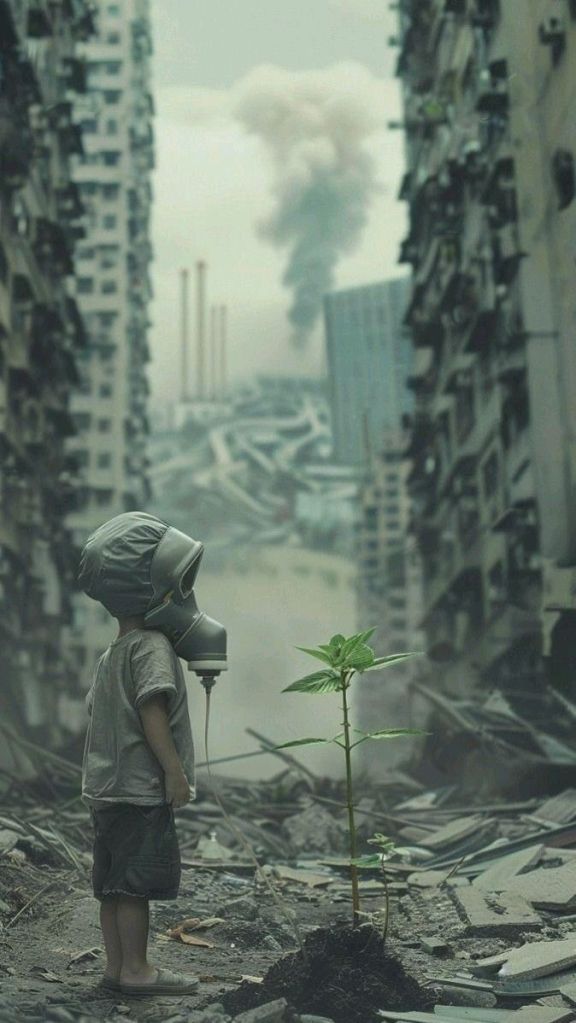
Photo By: Neonvibes
By Martin Martinelli & Peiman Salehi
The Palestinian resistance is no longer just a regional issue—it has become a global symbol of dignity confronting colonialism and imperial hegemony.
Historical roots & settler-colonial denial vs. global solidarity
The current genocide, attempts to erase Palestinian memory, and state-sponsored violence must be viewed against centuries of colonial and imperial violence—driven by Anglosphere militaries, Western powers, and the Israeli army.
National liberation in the 20th century
The major superpower rivalries and the rise of national liberation movements in Africa and Asia during and after WWII, alongside the Bandung Non-Aligned Movement (1955), reshaped global power. The post-war energy pivot to oil strengthened the U.S. and shifted power to Afro-Eurasia, weakening old colonial powers and empowering new anti-colonial states.
Rewriting global narratives
African-Asian revolutions, from India (1947) to China (1949) and Vietnam (1960–75), challenged Western historical narratives centered on Europe. These regions asserted alternative worldviews and civilizational identities, showing colonialism was neither permanent nor natural.
Palestine as moral and strategic pivot
Israel’s dispossession of Palestinians echoes historical genocide and slavery. Gaza has emerged as the moral and political eye of Global South struggles—linking capitalism’s collapse, military imperialism, racism, and environmental collapse.
Visuals from Gaza—destroyed hospitals, injured children—reveal crimes far beyond warfare, and dismantle the veneer of liberal global order, exposing UN, EU, and Western media failures.
The rise of a new bottom-up solidarity
Movement-building from grassroots in Tehran, Beirut, Johannesburg, Buenos Aires, Havana, and beyond shows military force losing its monopoly. A new anti-colonial solidarity is forming, grounded in education, cultural resistance, and cross-border alliance-building.
Axis of resistance
While not an official alliance, the “Axis of Resistance”—linking Palestine with grassroots southern movements—continues to resist Western hegemony. Despite attempts at suppression in Syria, Iraq, Yemen, assassinations, and strikes, its decentralized nature sustains it. The Houthi movement shows that resistance can challenge Israeli projection in Afro-Eurasia.
US-Israel imperial design vs. global solidarity
The Gaza conflict isn’t just territorial—it’s about thwarting a U.S.-Israeli engineered “managed chaos” dividing the region for foreign military entrenchment. The Palestinian tragedy is central to preventing that design and links to struggles across Asia, Africa, and Latin America.
Latin American shifts show realignment: former U.S. allies like Argentina, Peru, and Colombia are reevaluating their stances. Supporting Palestine is now tied to academic freedom, labor rights, and social justice.
Palestine today: not alone
The shared struggle across cities—Caracas, São Paulo, Havana, Bogotá—mirrors Gaza. This solidarity isn’t symbolic—it’s forming a material movement rooted in anti-colonial struggle.
Ethical-political crossroads
Gaza challenges us: is our world going to be built on technological barbarism and racial supremacy, or on dignity, justice, and self-determination?
Iran’s Supreme Leader Ayatollah Khamenei called out Israel’s false victimhood during the initial assault on Gaza in October 2023. That moment broke the imposed media narrative.
Universal call to justice
Today, across cultures and nations, millions stand with Palestinians—an international solidarity that rejects genocide and affirms that oppression in Gaza is an urgent struggle for humanity.
A crisis of civilization
Modern Jewish ethics and Kantian liberal moral philosophy—affirming that human beings are ends in themselves—are fundamentally opposed to genocide and collective punishment.
John Locke’s natural rights to life, liberty, and property are denied to Palestinians—and effectively to all humanity when ignored by Israel and its backers.
To our adversaries in Tel Aviv: what moral or philosophical justification do you have for these crimes?
You defy Security Council resolutions, ignore the International Court’s rulings, and spat on global public will.
What we’re seeing isn’t just human-rights violations—it’s an ethical breakdown in the international order.
⸻
Co-authors
• Martin Martinelli: PhD in Social Sciences, Professor of History at Universidad Nacional del Litoral, Argentina.
• Peiman Salehi: Iranian political philosopher & international affairs analyst
⸻
🔗 Original Arabic version on Rai al-Youm
 Peiman Salehi – Political Analyst & Writer
Leave a comment