Author: Peiman Salehi
*Originally published on: South China Morning Post
Feel strongly about these letters, or any other aspects of the news? Share your views by emailing us your Letter to the Editor at letters@scmp.com or filling in this Google form. Submissions should not exceed 400 words, and must include your full name and address, plus a phone number for verification
Donald Trump’s return to the White House in January reignited discussions on the use of economic pressure as a tool of US foreign policy. But the world today is not the unipolar terrain of 2018. From Beijing and Moscow to Tehran and Brasília, the contours of global power have shifted.
At the heart of this shift is a growing rejection of US dollar hegemony – and with it, the perceived moral and strategic legitimacy of Western sanctions (“US sanctions network of companies it says helped ship Iranian oil to China”, May 14).
This is not to suggest the collapse of American influence, but rather its strategic overextension. In the name of defending the rules-based order, Washington sanctions over a third of the world’s countries. But as major powers pivot towards alternative trade settlements and local currencies, the threat of sanctions begins to lose its sting.
Consider the China-Russia partnership: bilateral trade rose to US$245 billion in 2024, with over 70 per cent settled in yuan or roubles. This is not simply economic pragmatism; it’s geopolitical signalling. When such arrangements multiply, the architecture of coercive diplomacy faces erosion.
Iran, too, reads the moment carefully. Though talks with Washington continue, Tehran sees these less as openings for detente and more as shields against hostile escalation. In the view of Iranian policymakers, America’s grip is loosening – not only due to its military missteps, but because its financial weaponry is being dulled by the emergence of multipolar alternatives.
While the US dollar is still dominant, this dominance appears to rest more on inertia than trust. The Swift system, once untouchable, is now being reimagined. Digital currencies and sovereign payment channels are no longer theoretical.
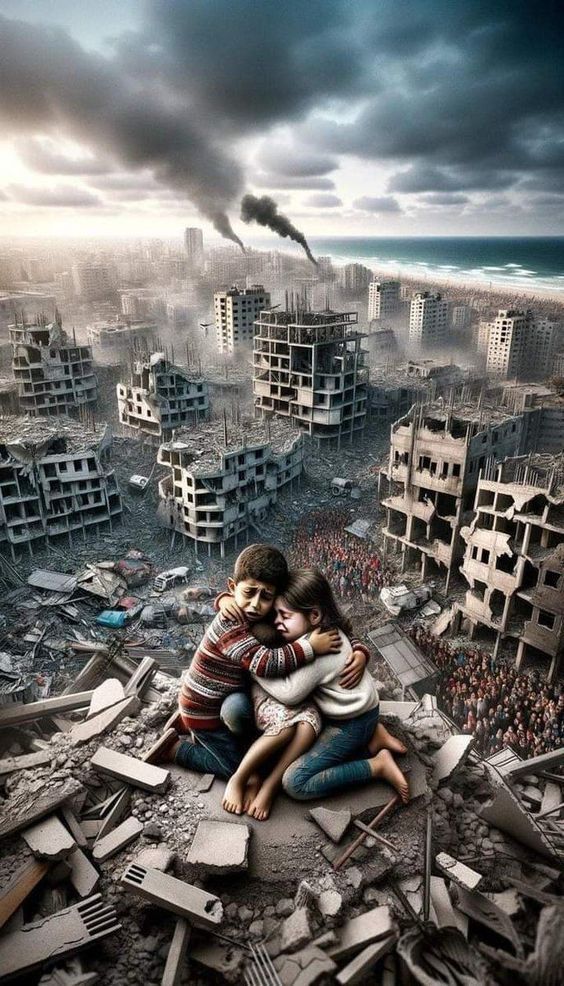
What’s at stake is more than currency dominance. It is the credibility of a Western-led moral order that applies justice selectively. When civilian infrastructure in Gaza is bombed and hospitals in Rafah are targeted with impunity, the world notices.
Washington must ask itself: can it maintain global influence without recalibrating its strategy? If it continues to lean on sanctions as a blunt instrument, it may find fewer allies, greater resistance and, ultimately, diminished leverage. The new world is not necessarily anti-American, but it is post-American in the sense that no single power dictates the rules.
The challenge for the United States is not only geopolitical, but philosophical. Sanctions presume moral clarity. But in today’s fragmented moral geography, that clarity can no longer be taken for granted. The era of multipolar trade is not just an economic shift; it is a civilisational response to decades of double standards.
 Peiman Salehi – Political Analyst & Writer
Leave a comment